This is 42
Year
2024-2026
Type
Podcast and YT Show
Deliverables
-
Creative concepts
Copywriting
Static Ads
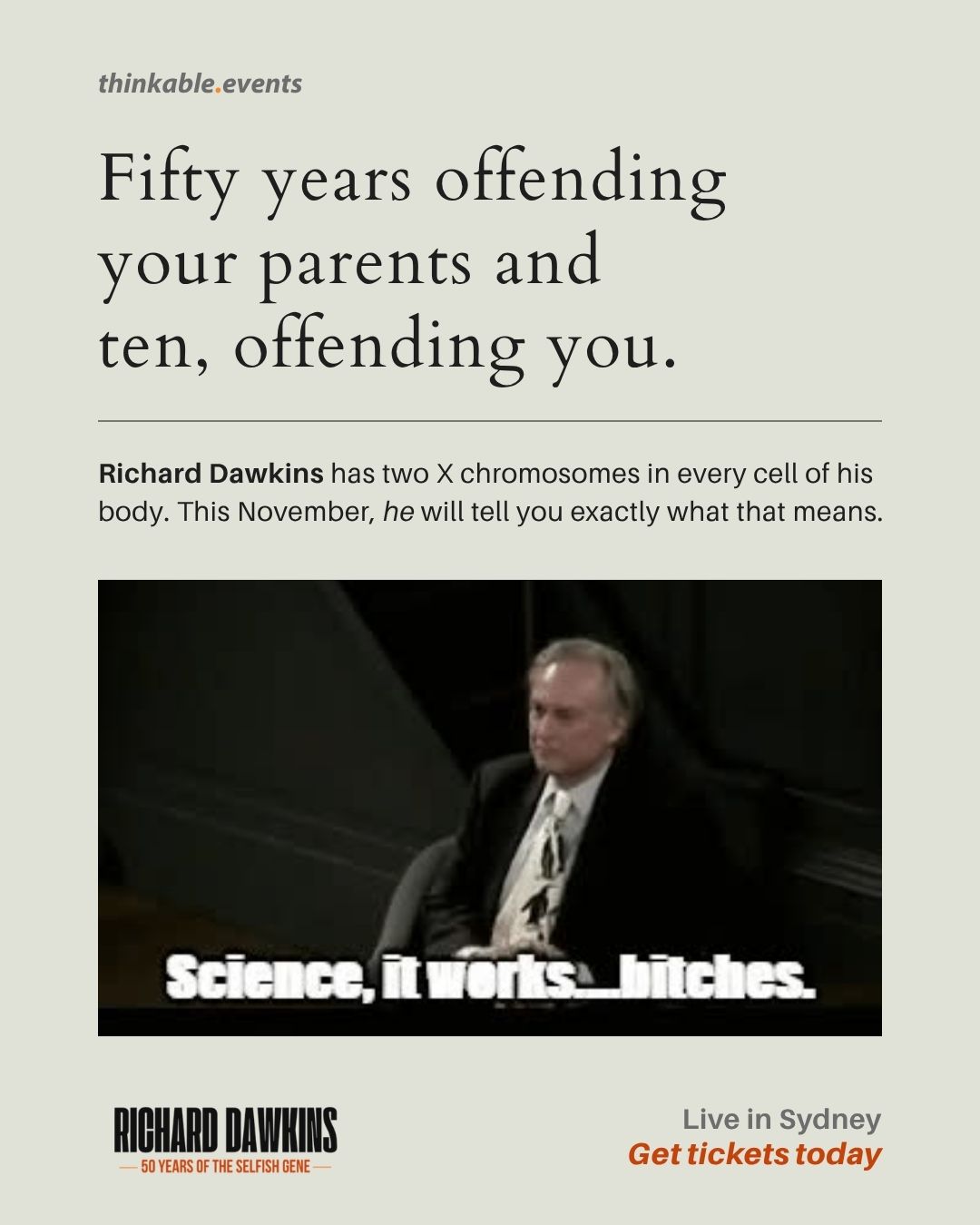
Ad concepts and copy for events with Richard Dawkins, Steven Pinker and Ryan Holiday among others . The work translated ideas about religion, knowledge, progress and Stoicism into familiar situations, giving people a reason to engage with the subject and consider the live event.
Your parents probably believe in God. 4
Your parents probably believe in God. 4

Your parents probably believe in God. 2
Your parents probably believe in God. 2
Your parents probably believe in God.
Your parents probably believe in God.
Ryan Holiday SM graphics 3
Ryan Holiday SM graphics 3
Steven Pinker Ad creatives 2
Steven Pinker Ad creatives 2
Steven Pinker Ad creatives
Steven Pinker Ad creatives
The Challenge
A speaker’s reputation can attract existing followers. Reaching beyond them means finding something in their work that matters to someone encountering it for the first time.
The challenge was to make intellectually demanding subjects relatable while retaining the substance that made them interesting. The creative also needed to suit an older audience, earn attention in a crowded feed and navigate the moderation constraints surrounding religious and contentious social topics.
The Solution
I started with situations, questions and cultural references the audience could recognise before introducing the larger argument.
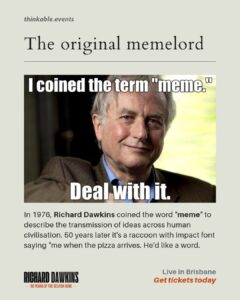
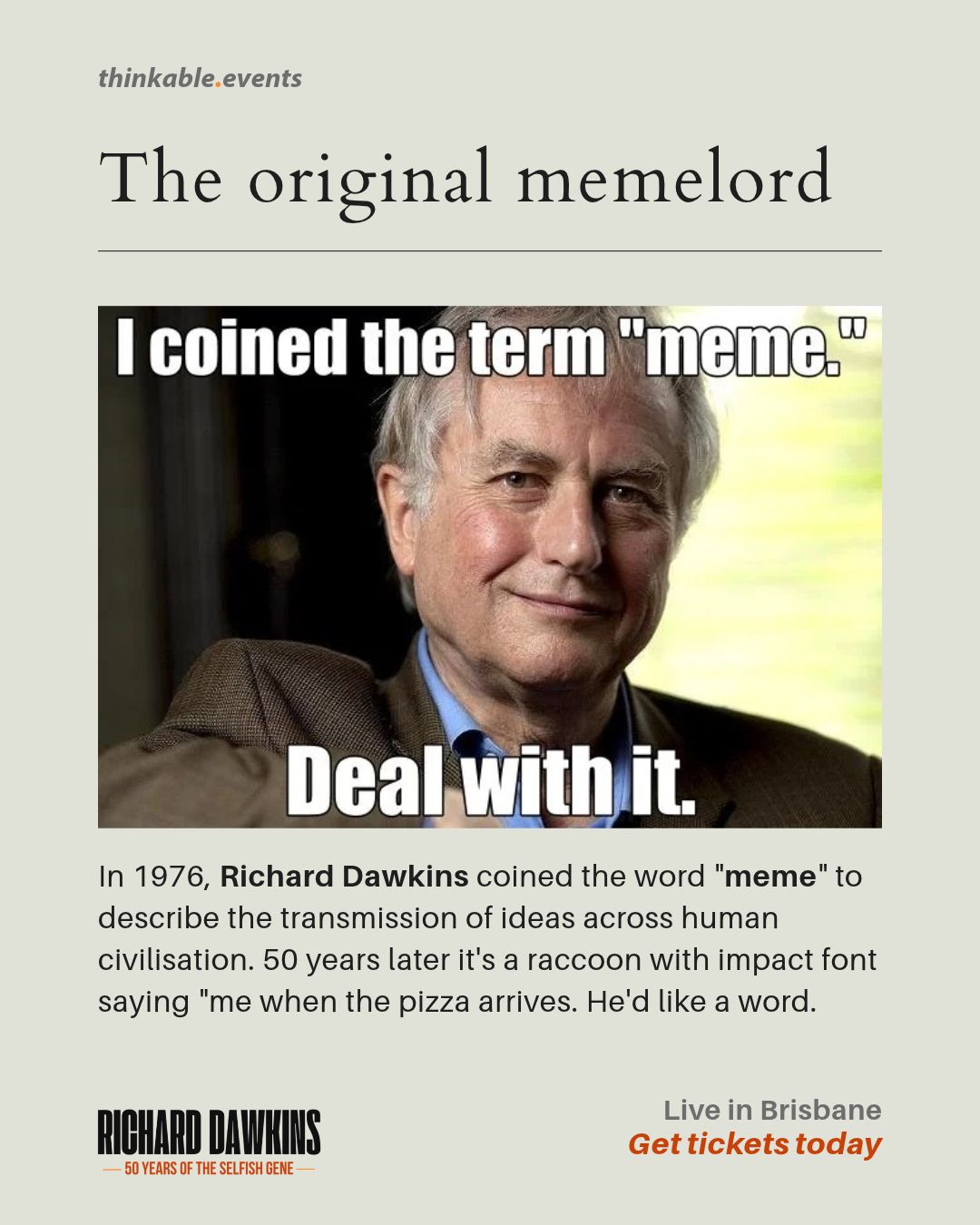
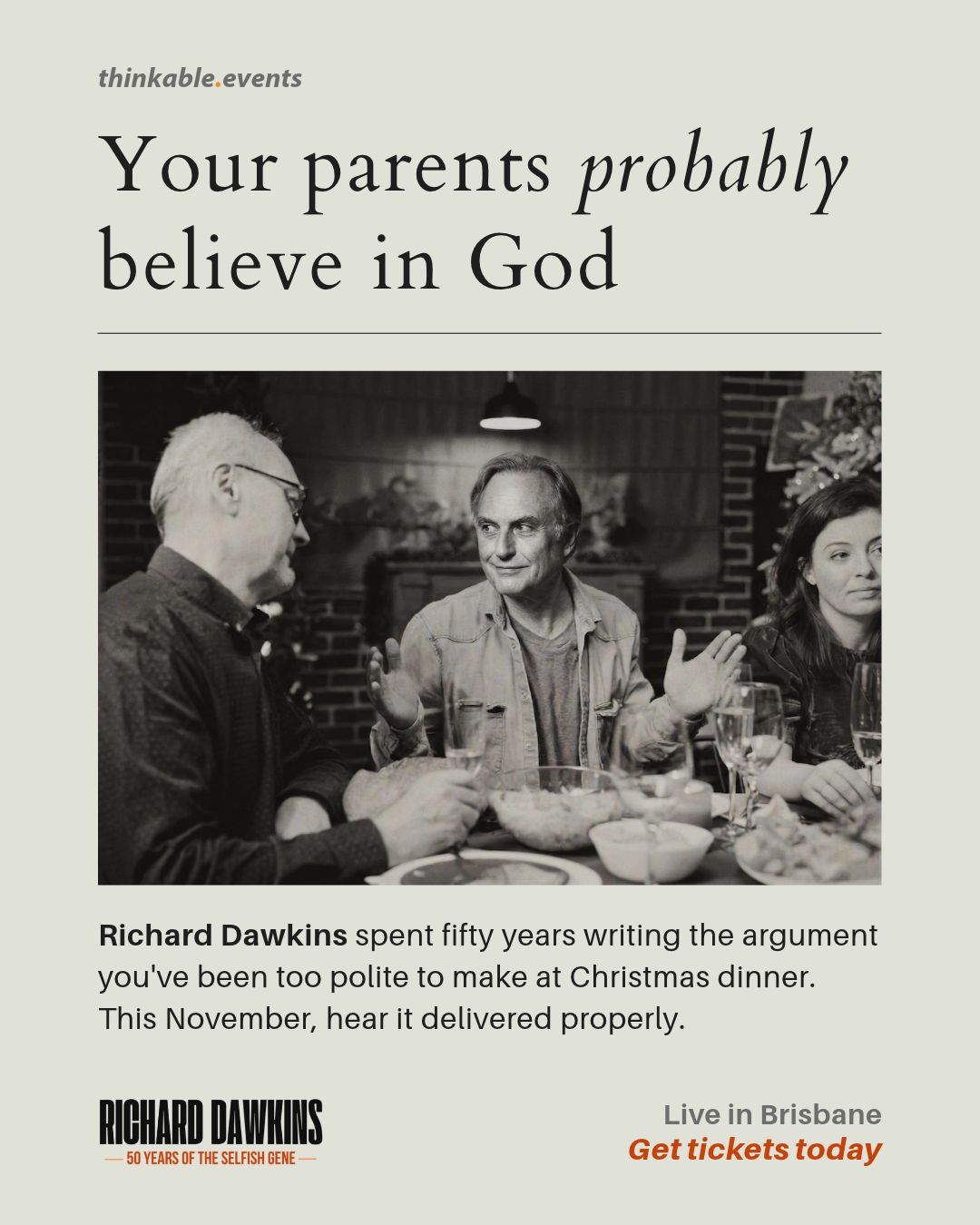
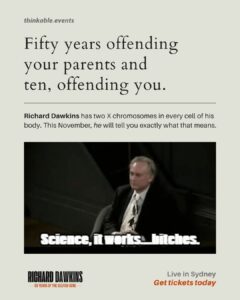
For Richard Dawkins, the familiar tension of a Christmas dinner became an introduction to his writing on religion. “The original memelord” connected his work on the transmission of ideas to the internet culture it helped name. Humour acted as an icebreaker, creating an approachable opening for subjects that could otherwise feel confrontational or academic.
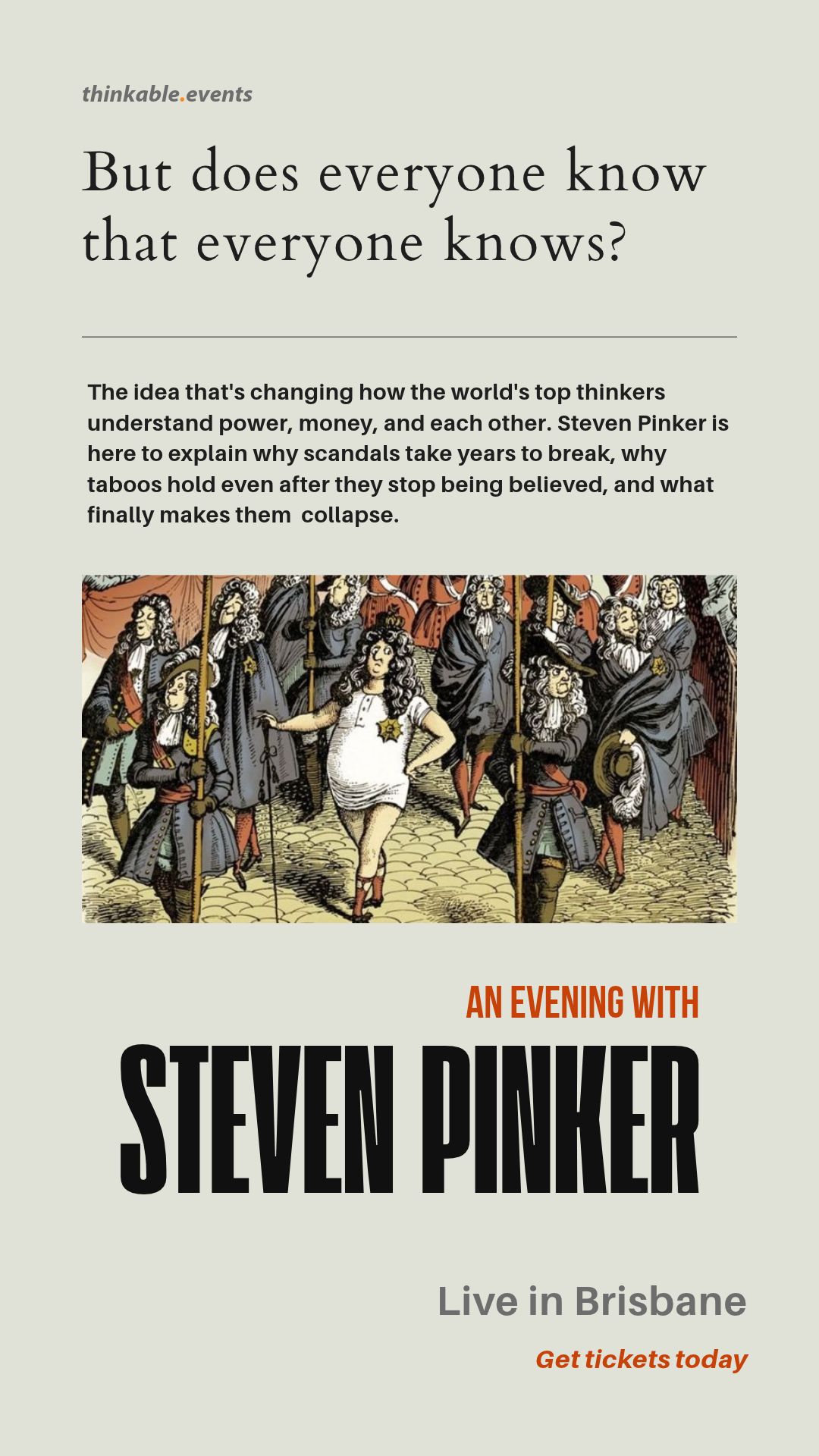
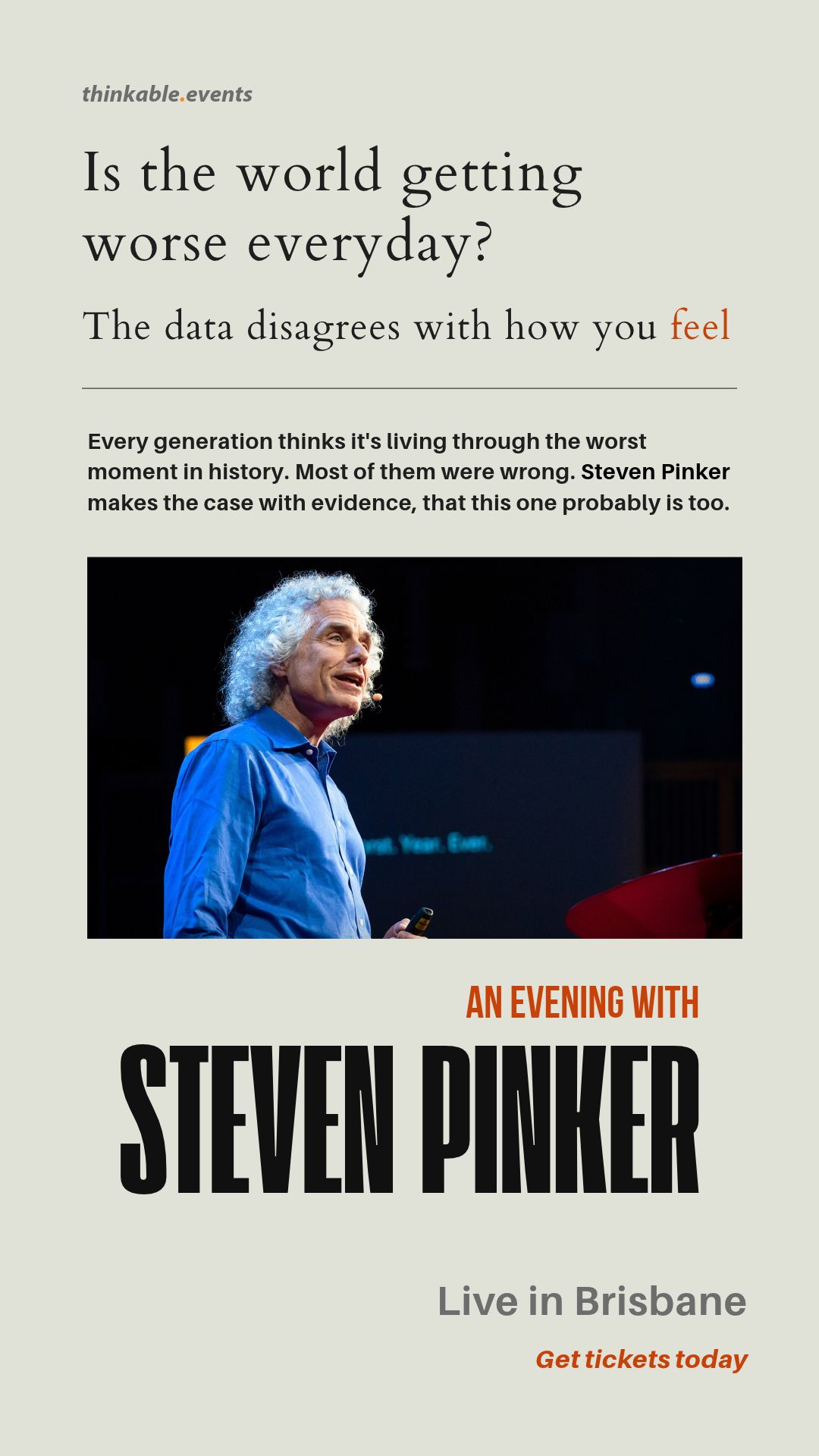
Steven Pinker’s work called for a different kind of recognition. “But does everyone know that everyone knows?” paired the idea of common knowledge with The Emperor’s New Clothes, giving an abstract social mechanism a familiar visual expression. Another creative began with the feeling that the world is getting worse, then introduced the tension between that impression and the evidence.
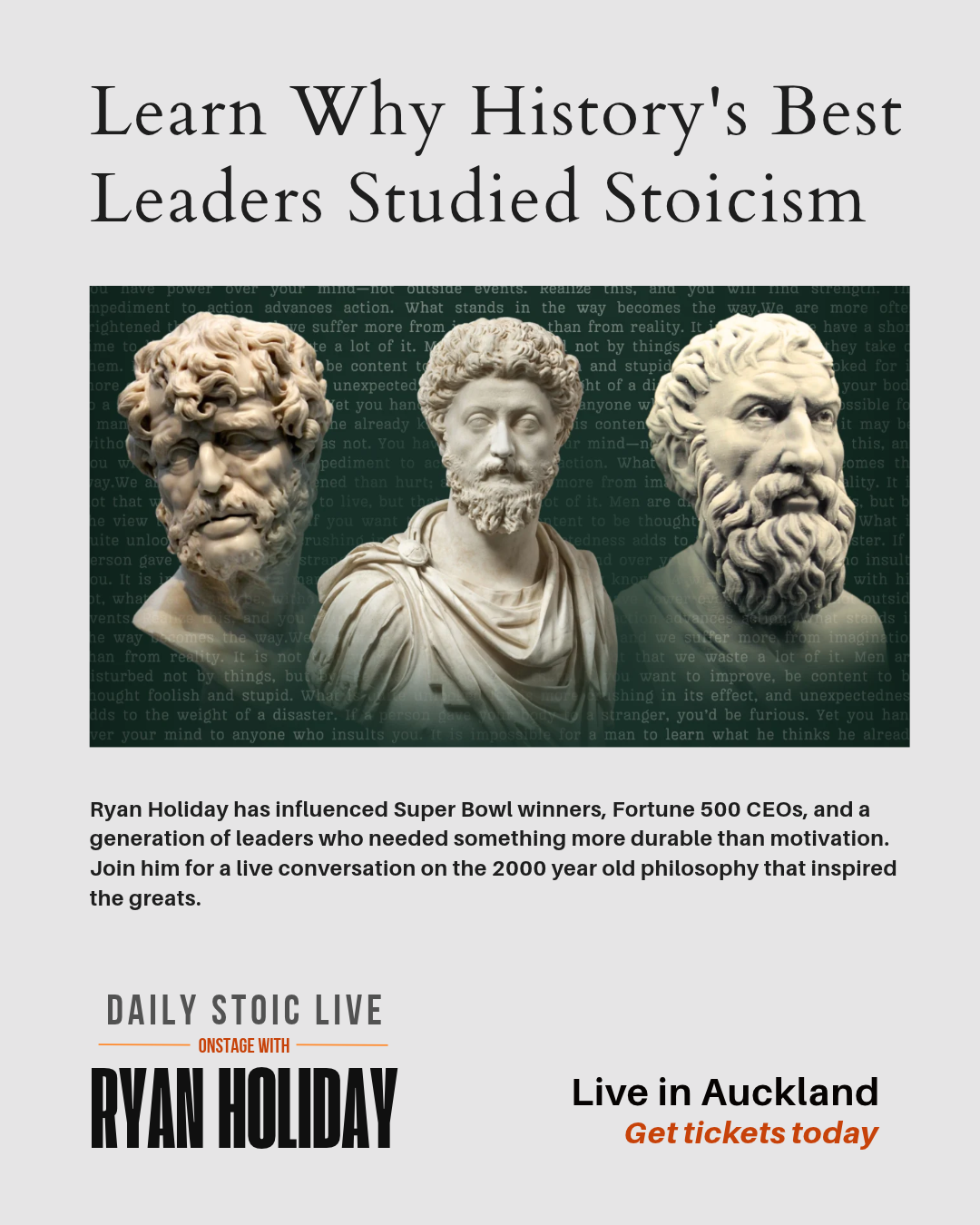
For Ryan Holiday, the approach connected ancient philosophy to contemporary leadership. The copy gave Stoicism a practical relevance, supported by classical imagery that established its history.
The visual direction leaned towards an editorial style for an older audience: large serif headlines, restrained colours, clear divisions and a deliberate reading order. Historical illustrations, classical sculpture and speaker photography gave each subject its own visual character within a consistent format. The layouts made room for an argument to develop beneath the headline.
Meta’s ad-review process added another creative constraint. Wording, imagery and context needed particular care around belief and controversial ideas. The ambition was to retain the humour and provocation while reducing the risk of the work being interpreted as an attack or rejected for distribution.